
Animal Sciences Major
What is Animal Sciences?
The field of animal sciences encompasses both the science and business surrounding domesticated animals. They have been a vital aspect of human society for thousands of years, and there will always be a need to understand their complexities.
Why major in Animal Sciences at LSU?
The LSU School of Animal Sciences focuses on raising and caring for animals and making the most of all they provide. The school strives to lay a solid scientific foundation for the leaders of tomorrow’s agriculture industry of farmers, ranchers and veterinarians.
Concentrations
The School of Animal Sciences offers a Bachelor of Science in Animal Sciences with four areas of concentration. Each concentration is designed with animal sciences classes that focus on your specific goals.
Animal Production
The Animal Production concentration will prepare students for a variety of careers in animal production enterprises such as beef cattle, dairy cattle, and horses amongst other related agribusiness industries. Students will develop a foundation in a number of animal production fields including nutrition, reproductive physiology, general physiology, genetics, and livestock management. Our graduates work in farm management, technical support and sales, and at various agencies such as the LSU AgCenter.
Animal Products Processing
This concentration prepares students for careers in the food industry by offering courses in meat science, dairy products, and poultry products, along with food safety and quality assurance. These studies often lead to careers as quality assurance supervisors, inspectors, and product development specialists.
Pre-Veterinary Medicine
This concentration focuses on livestock and companion animals and is designed for students to complete the required courses and apply to the LSU School of Veterinary Medicine by junior year. If accepted to the LSU SVM, students will complete their last 40 hours there and then be awarded the Bachelor of Science in animal sciences. Should a student not be granted admission to the LSU SVM by junior year, the student will then choose another concentration to complete and will be awarded the Bachelor of Science in animal sciences.
Science and Technology
This concentration prepares students to pursue careers in animal nutrition, genetics, and reproductive physiology. Those interested in research can further their education by getting their master’s or Ph.D. These students can use their knowledge and experience to work in the private sector as scientists studying human and animal medicine or apply for veterinary school. If working in academia is the goal, becoming a professor leading research programs is the path for you.
Careers in Animal Sciences
The School of Animal Sciences offers a wide range of courses addressing both local and global issues that affect animal industries. These concentrations provide graduates with employment opportunities in all phases of animal production, processing, distribution, marketing, research, and teaching.
Some animal sciences career opportunities include:
Animal Scientist/Researcher
Animal Nutritionist
Animal Feed/Pharmaceutical Representative
Extension Educator/Specialist
Geneticist
Livestock Manager/Herdsman
Meat and Poultry Inspector
Muscle/Meat Biologist
Reproductive Physiologist
Veterinarian (with additional education)
SCHOOL OF ANIMAL SCIENCES PATHWAYS
Companies hiring LSU Animal Sciences Graduates
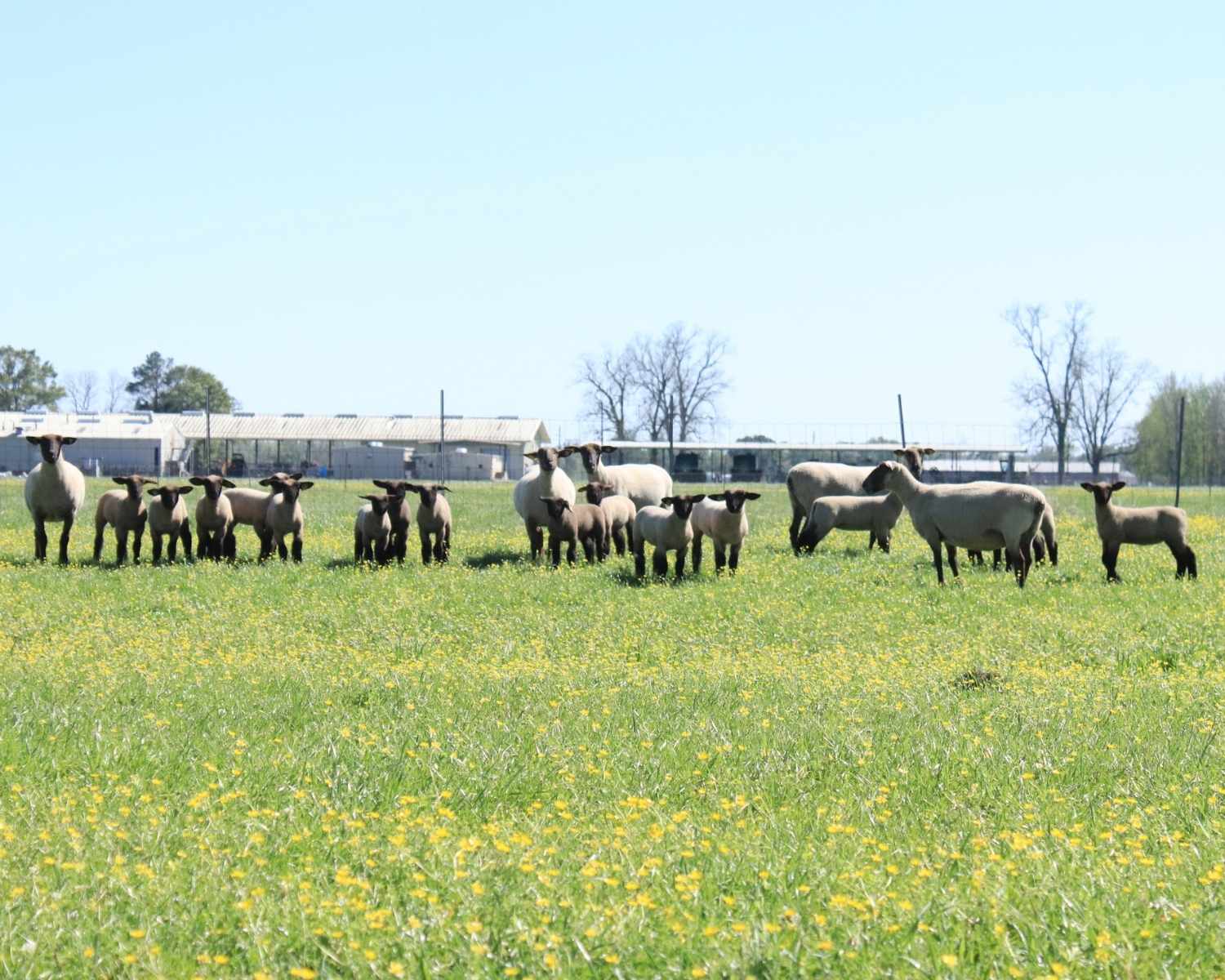
Program Details
School: LSU School of Animal Sciences
College: LSU College of Agriculture
Location: LSU, Baton Rouge
DEGREE TYPES
Bachelor's of Science (B.S.)
degree plan
B.S. in Animal Sciences (4-year plan courses)
MINORS
Animal Sciences Minor (Courses)
UNDERGRADUATE COntact
Dr. Cathleen Williams
Professor
CWilliams@agcenter.lsu.edu
225-578-4574
Student Spotlights

Chua’s two-minute, anime-style short “Do You Think I Am Beautiful”—made with AI and selected by a Los Angeles festival as one of 15 featured films among 750 submissions—took some 45 hours to make.
When criminals delete files, wipe drives or destroy devices, the evidence often survives in scattered pieces. No publicly available tool has been able to put those pieces back together until now.
For more information
Visit the Future Students page to learn more or to contact a recruiter.