

LSU Research Insights: 8 Technologies We Wouldn’t Have without Space Exploration
April 10, 2026
From the smartphones in our pockets to the tools we use in hospitals and homes, space exploration has quietly reshaped everyday life on Earth. Research driven by space missions has sparked innovations that extend far beyond rockets and rovers—often in ways most people never realize.
LSU College of Science astrophysicist Eric Burns and geologist Matthew Loocke point to a wide range of breakthroughs that began with the challenges of exploring space. Some are surprisingly familiar.
“There are silly examples like night sight on phones coming from astronomy ‘image stacking,’” Burns notes, “and more important ones like the algorithms we wrote to get the most out of Hubble, which have been repurposed for medical imaging in mammograms.”
Together, their insights reveal how investments in space science continue to deliver practical benefits—from medical advances to the devices we rely on every day.
Visit NASA Spinoff, a website maintained by NASA, to explore more real-world innovations born from space research that make life better here on Earth.
CMOS Image Sensors
CMOS stands for Complementary Metal-Oxide-Semiconductor, a technology used to build the chips inside nearly every electronic device you own, including your phone. The Jet Propulsion Laboratory (JPL), a research and development lab federally funded by NASA and managed by Caltech, developed the miniaturized camera sensors for interplanetary missions and now we use them for selfies.
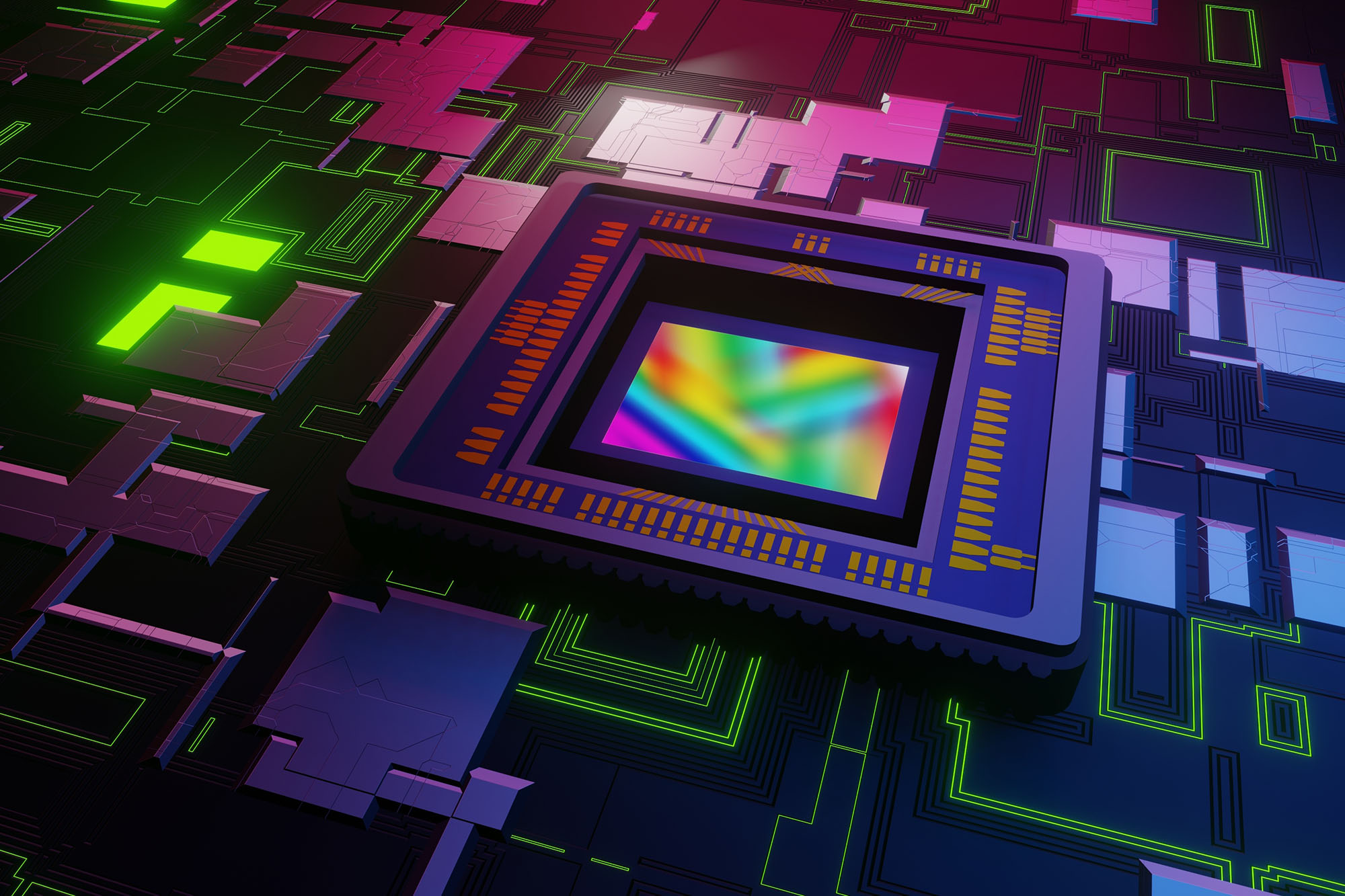
– Adobe Stock Photos
Global Positioning System
The Global Positioning System is a network of satellites that transmit signals to determine precise geographic location and movement. The system was jointly developed by the U.S. military and NASA starting in the 1970s.

Wireless
Headsets
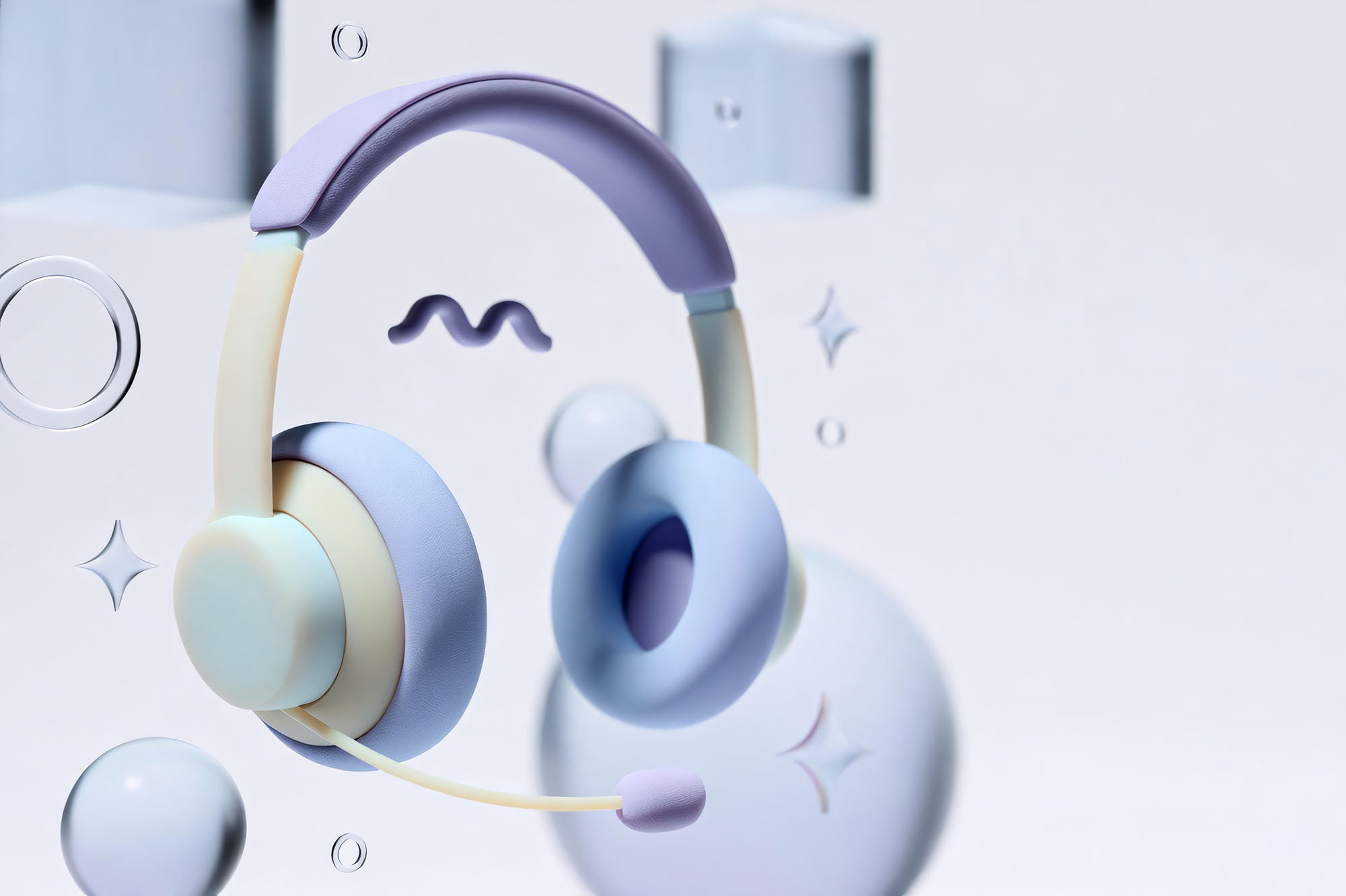
When NASA needed hands-free communication for pilots and astronauts in the 1960s, they partnered with aerospace audio specialists to develop early wireless headsets. These evolved into the Bluetooth headsets we use today.
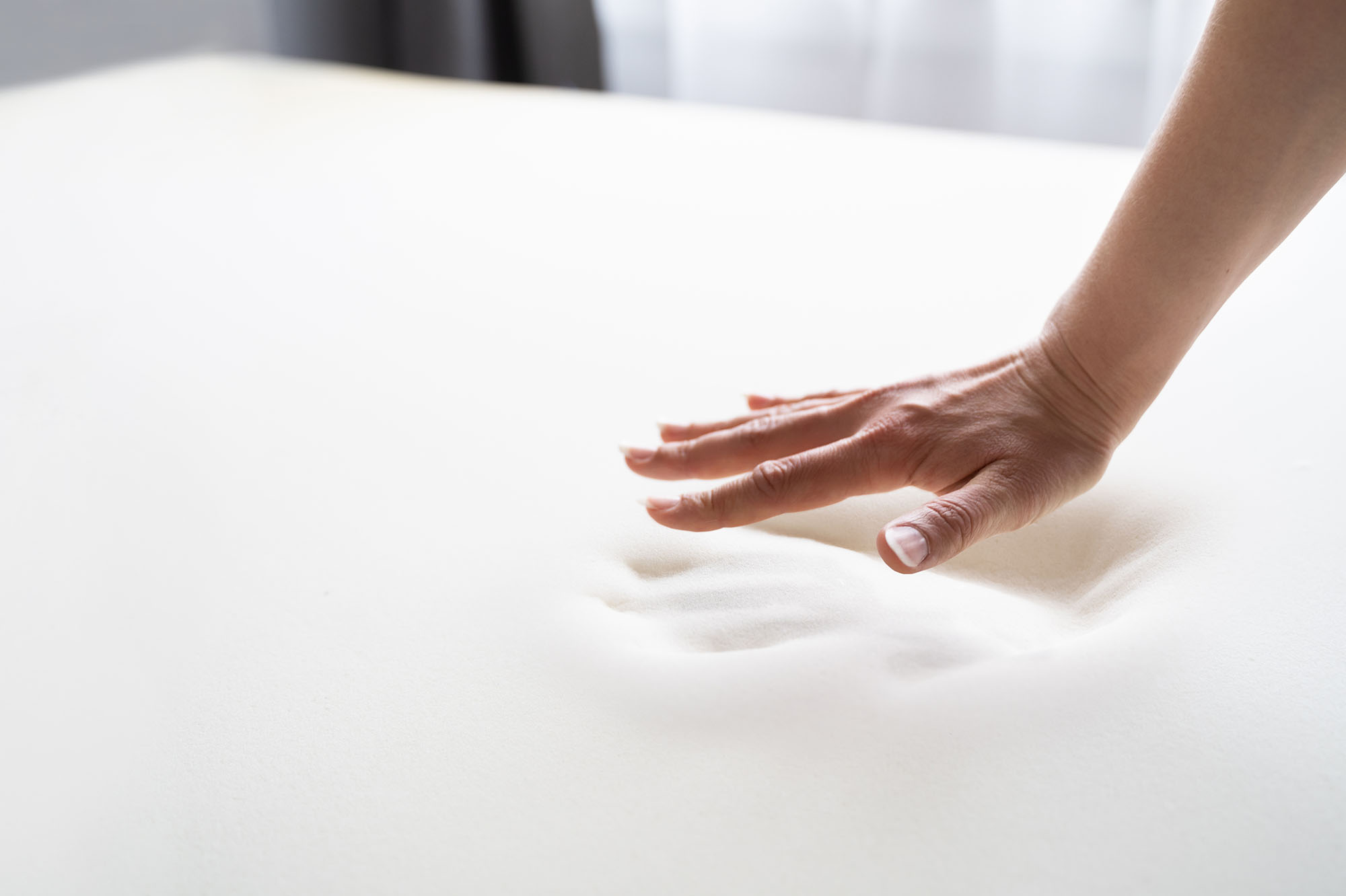
Memory Foam
Memory foam was first developed in 1966 under a NASA contract to improve crash protection and comfort for astronauts (and pilots).
Cordless Power
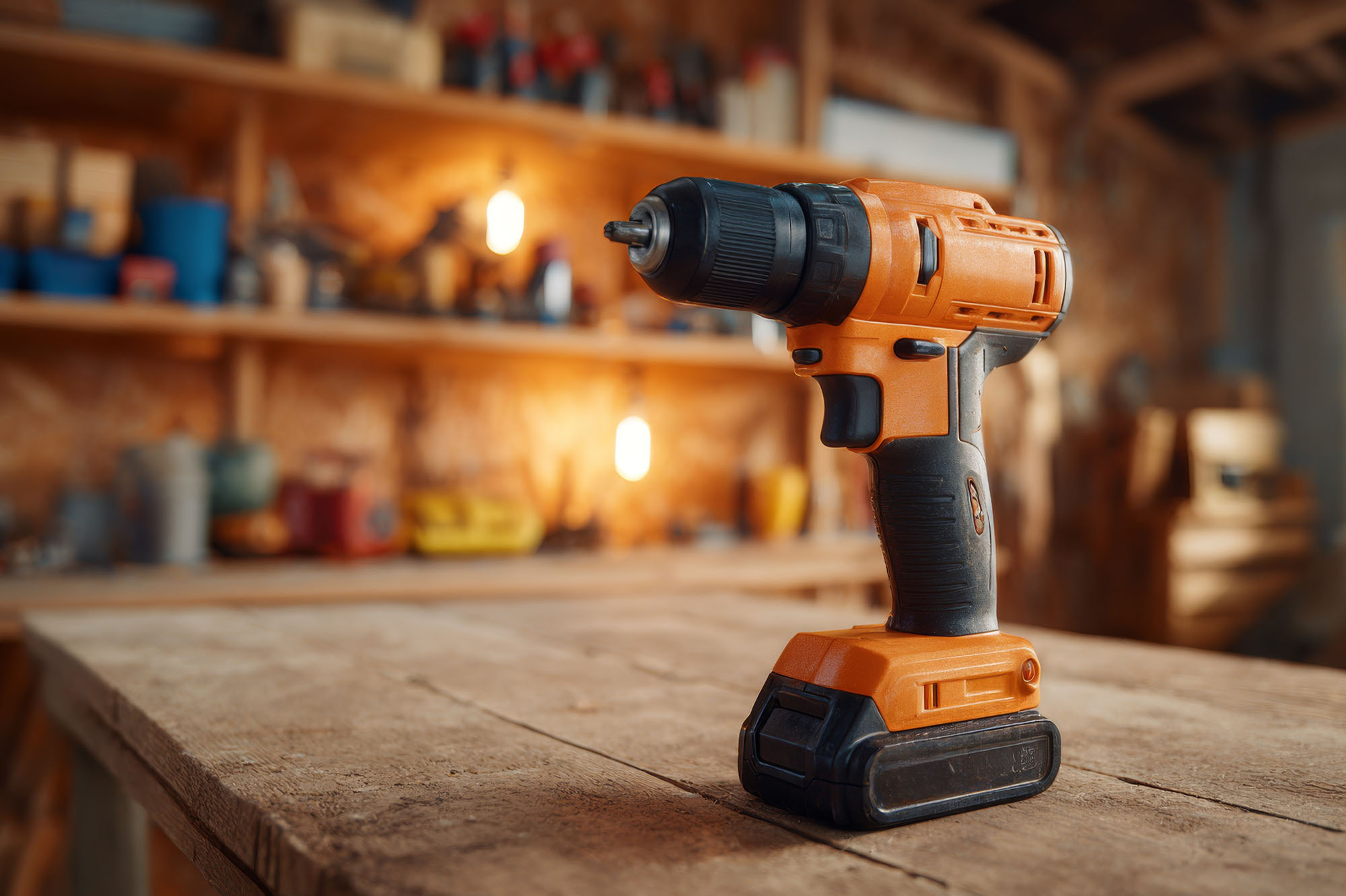
Tools
While NASA didn’t invent cordless power tools, these are a direct result of the Apollo missions! Apollo astronauts needed portable, battery-operated drills for sample collection. NASA collaborated with Black & Decker to develop the tools for the Apollo mission, which eventually led to modern cordless vacuums and power tools.
Water Purification
In the 1960s, there were quite a few problems with water purification that needed to be solved before the astronauts could land on the moon. At the time, water purification required the use of relatively heavy chemicals. NASA’s research led to the development of charcoal filtration and silver-ion systems, which are now used in modern home water filters.

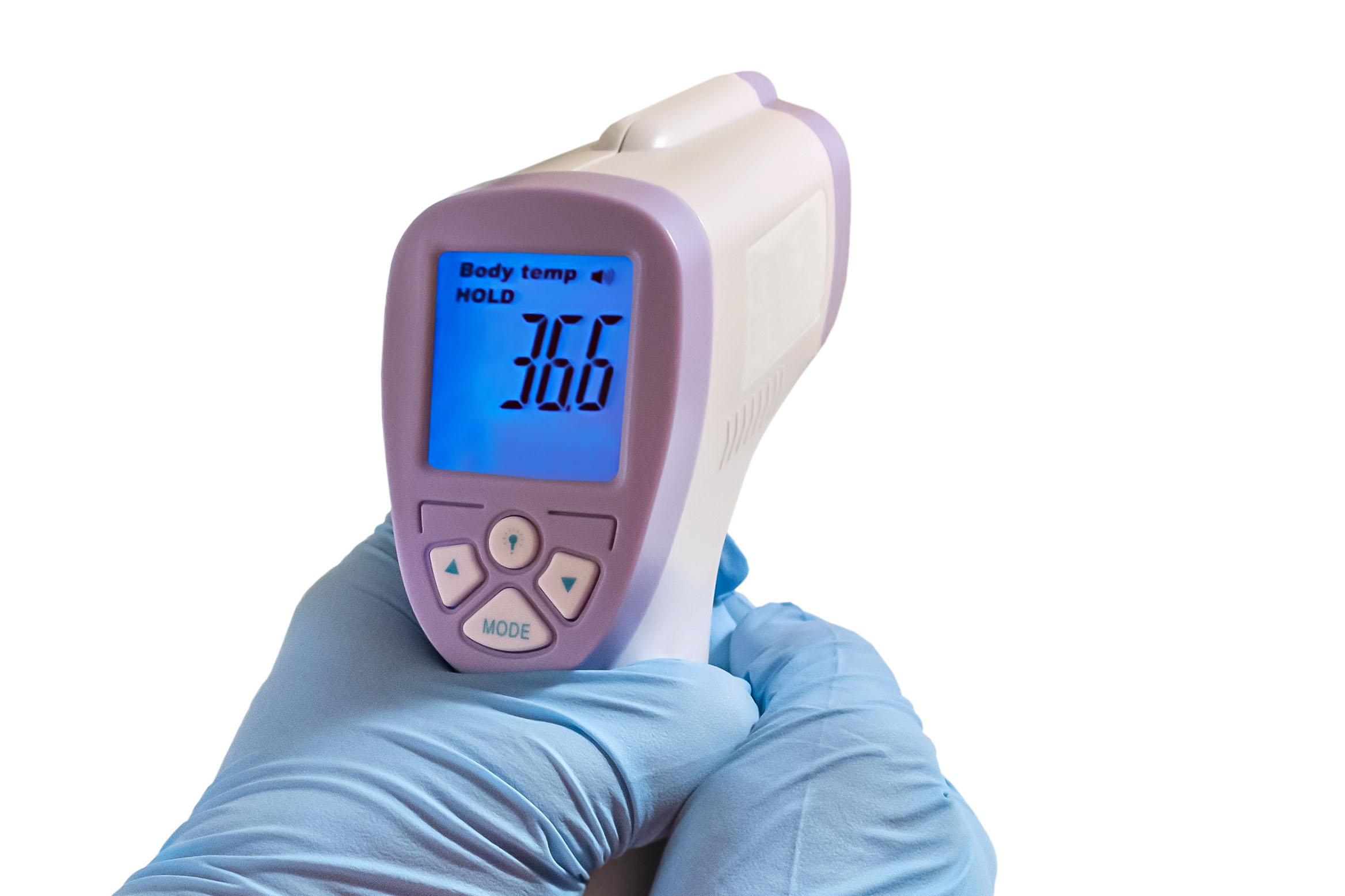
Infrared Thermometers
During the 1980s, NASA’s Jet Propulsion Laboratory developed infrared technology to gauge the heat of distant celestial bodies. IR ear thermometers, a staple in homes and hospitals today, were adapted from these NASA-developed techniques.
Scratch-Resistant Lenses
These were crucial for maintaining visibility on the moon as the lunar regolith is made up of extremely fine-grained glass and rock particles that are highly abrasive. (This is still a crucial problem to solve in the development of space suits for long-term use on the Lunar surface!) The coatings that NASA developed transformed the eyewear industry and are now used on prescription glasses and sunglasses.